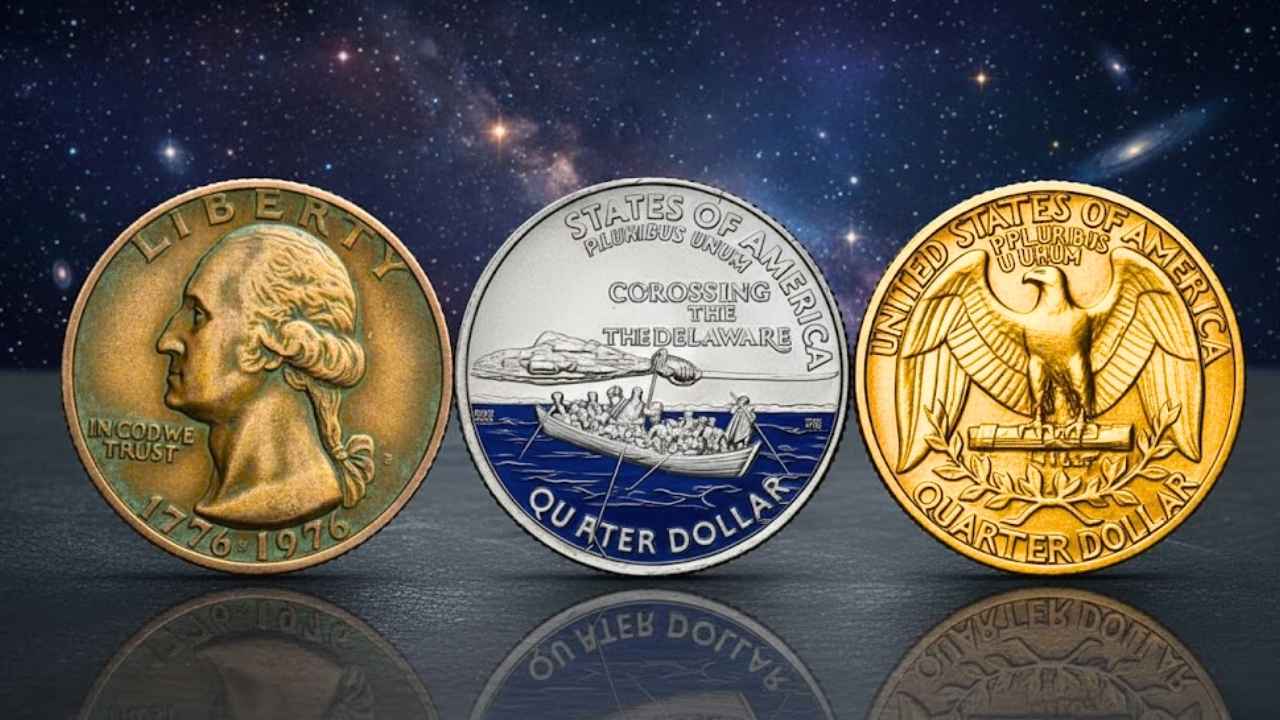
In 1976, the United States celebrated its 200th anniversary of independence. To honor this milestone, the U.S. Mint released a special set of coins, including the Bicentennial quarter. Unlike regular quarters, these coins featured a unique reverse design with a colonial drummer and a torch surrounded by thirteen stars, symbolizing the original colonies. The obverse still carried George Washington’s portrait, but with the dual date “1776–1976.” Millions were produced, yet some rare varieties and conditions make certain Bicentennial quarters highly valuable today.
Why Collectors Value Bicentennial Quarters
Collectors are drawn to Bicentennial quarters for both historical and monetary reasons. These coins represent a patriotic celebration, and their distinctive design sets them apart from standard issues. While most Bicentennial quarters are worth face value, rare varieties, mint errors, and coins in pristine condition can fetch significant premiums. The combination of nostalgia, rarity, and condition drives collector demand.
Circulation and Availability Today
Even though the Bicentennial quarter was minted nearly fifty years ago, many are still in circulation. It is not uncommon to find one in pocket change, though most are worn and hold little more than face value. However, rare versions remain hidden among everyday coins, waiting to be discovered by sharp-eyed collectors.
Factors That Determine Value
Several factors influence the value of a Bicentennial quarter:
- Condition: Coins graded in Mint State (MS) condition are worth more.
- Mint Mark: Quarters minted in Philadelphia, Denver, and San Francisco carry different values.
- Composition: Some were struck in 40% silver for collectors.
- Errors and Varieties: Misstrikes, doubled dies, and other minting anomalies increase rarity.
Rare Bicentennial Quarters Worth Collecting
Among the millions produced, four types stand out as rare and valuable.
1. Silver Bicentennial Quarters
The U.S. Mint released special collector sets containing 40% silver quarters. These were not intended for circulation, but some eventually entered everyday use. A silver Bicentennial quarter in uncirculated condition can be worth several dollars, and proof versions command even higher prices.
2. Proof Bicentennial Quarters
Proof coins were struck with polished dies, giving them a mirror-like finish. These coins were sold in sets to collectors and are highly prized today. A proof Bicentennial quarter, especially one graded PR70 (perfect condition), can be worth significantly more than its face value.
3. Error Bicentennial Quarters
Minting errors make coins unique. Examples include off-center strikes, doubled dies, and coins struck on the wrong planchet. These errors are rare and can make a Bicentennial quarter worth hundreds or even thousands of dollars depending on the severity and uniqueness of the mistake.
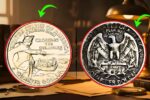
4. High-Grade Circulated Quarters
While most circulated Bicentennial quarters are worn, a few remain in exceptional condition. Coins graded MS65 or higher are rare in circulation and can be worth far more than face value.
Value Ranges for Bicentennial Quarters
The following table provides a general overview of Bicentennial quarter values based on type and condition:

| Type of Bicentennial Quarter | Condition | Approximate Value Range |
|---|---|---|
| Regular Circulation Strike | Average Circulated | $0.25 – $1 |
| Regular Circulation Strike | Mint State (MS65+) | $10 – $25 |
| Silver Quarter (40% silver) | Uncirculated | $5 – $20 |
| Silver Proof Quarter | Proof (PR65–PR70) | $15 – $100+ |
| Error Quarter | Varies | $50 – $1,000+ |
How to Identify Silver Bicentennial Quarters
Silver Bicentennial quarters can be distinguished by their edge and weight. Unlike clad quarters, silver coins have a uniform silver edge without the copper stripe. They also weigh slightly more. Collectors often use a scale or magnifying glass to confirm authenticity.
Tips for Collectors Searching in Circulation
Finding rare Bicentennial quarters in circulation requires patience and attention to detail. Here are some practical tips:
- Check coin rolls from banks, as they may contain older coins.
- Inspect edges for silver content.
- Look closely for unusual strikes or doubling.
- Preserve coins in protective holders to maintain condition.
Historical Significance of the Design
The colonial drummer design was created by Jack L. Ahr, chosen through a national competition. It symbolizes the spirit of independence and the role of ordinary citizens in America’s founding. The torch and stars emphasize unity and freedom. This design remains one of the most iconic in U.S. coinage history.
Collecting Bicentennial Quarters as an Investment
While not all Bicentennial quarters are valuable, rare varieties can appreciate over time. Collectors often view them as both historical keepsakes and potential investments. Silver versions, proof coins, and error strikes are especially attractive for long-term value.
Preservation and Storage
To maximize value, collectors should store Bicentennial quarters properly. Coins should be kept in acid-free holders or albums, away from moisture and direct sunlight. Handling should be minimized to avoid scratches or fingerprints.
The Thrill of Discovery
One of the most exciting aspects of coin collecting is the possibility of finding a rare coin in everyday circulation. Spotting a silver Bicentennial quarter or an error strike among pocket change can be a thrilling experience, turning an ordinary day into a memorable one.
Conclusion
The 1976 Bicentennial quarter remains a beloved piece of American coinage. While most are common and worth only face value, rare varieties such as silver strikes, proofs, errors, and high-grade examples can be surprisingly valuable. Collectors continue to search for these hidden treasures, keeping the spirit of the Bicentennial alive in every coin discovered.