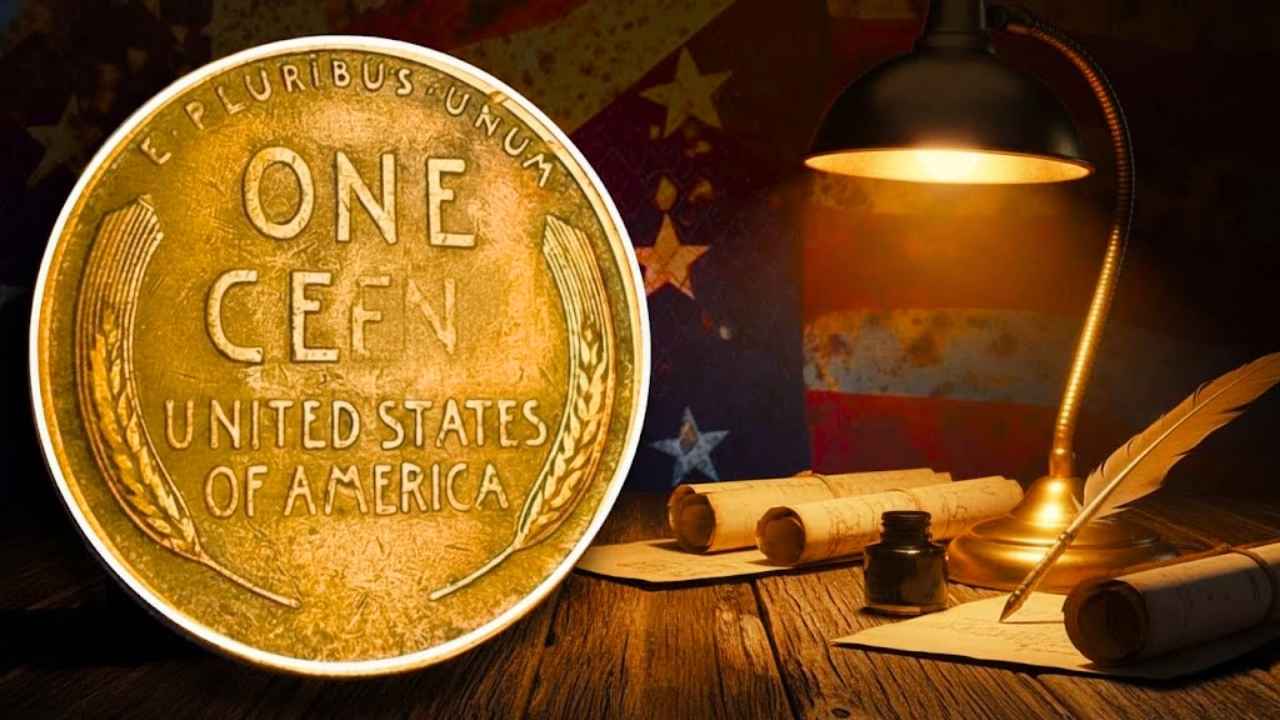
The Lincoln Wheat Penny, minted from 1909 to 1958, remains one of the most iconic coins in American numismatic history. Collectors admire its historical significance, artistic design, and the fascinating variety of rare errors that make certain issues highly valuable. As we move into 2026, interest in these pennies continues to grow, with both seasoned collectors and newcomers eager to understand their worth and potential investment opportunities.
Historical Background
The Lincoln Wheat Penny was first introduced in 1909 to commemorate the centennial of Abraham Lincoln’s birth. Designed by Victor David Brenner, the coin features Lincoln’s portrait on the obverse and two wheat stalks on the reverse, symbolizing prosperity. This design remained until 1959, when the reverse was changed to the Lincoln Memorial. The Wheat Penny era is cherished for its artistry and the role it played in everyday commerce during the early to mid-20th century.
Key Dates and Mint Marks
Certain years and mint marks stand out as particularly valuable due to low mintage numbers or unique historical circumstances. Collectors often seek these key dates to complete their sets.
- 1909-S VDB: The most famous and highly sought-after Wheat Penny, with limited production.
- 1914-D: Scarce due to low mintage, making it a prized coin.
- 1922 No D: A rare variety where the Denver mint mark was accidentally omitted.
- 1931-S: Another low mintage coin, highly collectible.
- 1955 Double Die: Famous for its dramatic doubling error on the obverse.
Rare Errors and Varieties
Error coins are among the most exciting finds for collectors. These mistakes during the minting process create unique pieces that can command high prices.

- Double Die Obverse: Letters and numbers appear doubled, most famously in 1955.
- Off-Center Strikes: Coins struck off-center, leaving part of the design missing.
- Repunched Mint Marks: Mint marks struck more than once, creating a shadow effect.
- Die Cracks and Cuds: Raised lines or blobs caused by damaged dies.
- Missing Letters: Incomplete inscriptions due to weak strikes.
These errors are not only rare but also visually distinctive, making them highly desirable.
Value Trends in 2026
The value of Lincoln Wheat Pennies depends on rarity, condition, and demand. In 2026, the market continues to show strong interest, with prices reflecting both historical significance and collector enthusiasm.
General Value Ranges
| Condition | Common Dates | Key Dates | Rare Errors |
|---|---|---|---|
| Good (G) | $0.10 – $1 | $50 – $200 | $100 – $500 |
| Fine (F) | $0.25 – $2 | $100 – $500 | $300 – $1,000 |
| Extremely Fine (XF) | $0.50 – $5 | $300 – $1,500 | $500 – $2,500 |
| Mint State (MS) | $2 – $20 | $1,000 – $10,000+ | $2,000 – $50,000+ |
These ranges highlight how dramatically values can increase depending on condition and rarity.
Grading and Condition
Grading plays a crucial role in determining value. Professional grading services assess coins based on wear, luster, strike quality, and eye appeal.
- Good (G): Heavily worn, with major details visible but faint.
- Fine (F): Moderate wear, with clear details.
- Extremely Fine (XF): Light wear, sharp details, and some luster.
- Mint State (MS): No wear, full luster, and sharp strike.
Collectors often invest in professionally graded coins to ensure authenticity and maximize value.
Collector Insights and Strategies
For collectors in 2026, building a valuable Wheat Penny collection requires strategy and patience.

- Focus on Key Dates: Prioritize coins like the 1909-S VDB and 1914-D.
- Seek Error Coins: Rare varieties often appreciate faster in value.
- Buy Quality: Higher-grade coins hold value better over time.
- Diversify: Collect across different years and mint marks for a balanced set.
- Stay Informed: Monitor market trends and auction results to understand pricing shifts.
Investment Potential
Lincoln Wheat Pennies are not only collectibles but also potential investments. Their historical significance and limited supply make them attractive to investors seeking tangible assets. Rare errors and high-grade coins often outperform common issues in terms of appreciation. While not every penny will yield large returns, strategic acquisitions can provide both enjoyment and financial growth.
Popularity Among Collectors
The Wheat Penny remains one of the most popular entry points for new collectors. Its affordability in common dates allows beginners to start small, while rare varieties offer challenges for advanced numismatists. The coin’s connection to Abraham Lincoln adds patriotic and historical appeal, further fueling demand.
Tips for Identifying Authentic Coins
Counterfeits exist, especially for rare dates and errors. Collectors should be cautious and use these tips:
- Examine Mint Marks: Ensure they match the year and location.
- Check for Doubling: Genuine double dies show clear separation, not blurry lines.
- Inspect Weight and Diameter: Authentic pennies follow strict specifications.
- Use Magnification: Small details reveal authenticity.
- Consider Professional Grading: Certified coins reduce risk of counterfeits.
Conclusion
The Lincoln Wheat Penny continues to captivate collectors in 2026, offering a blend of history, artistry, and investment potential. From common dates worth a few cents to rare errors valued in the thousands, these coins remain a cornerstone of American numismatics. Whether you are a beginner assembling your first set or an experienced collector seeking rare treasures, the Wheat Penny provides endless opportunities for discovery and appreciation.