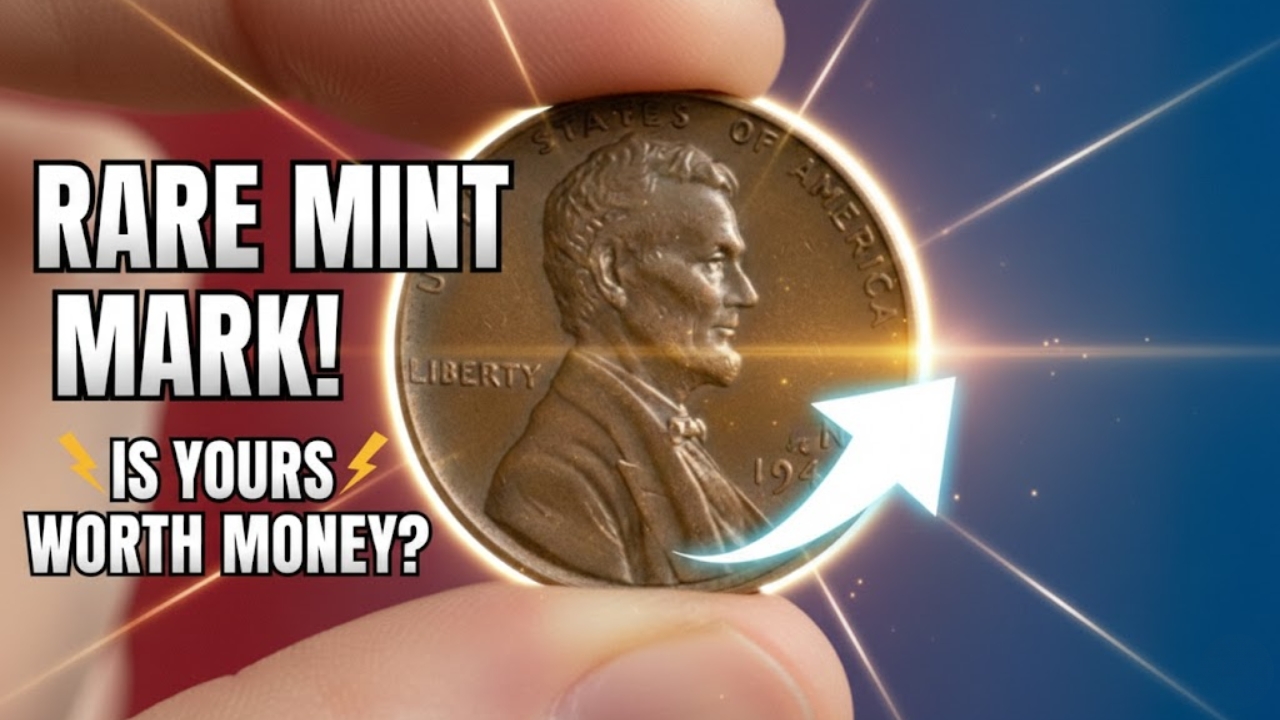
Wheat pennies, officially known as Lincoln Wheat Cents, are among the most iconic coins in American numismatics. Minted from 1909 to 1958, these coins feature the portrait of Abraham Lincoln on the obverse and two wheat stalks on the reverse. Their historical significance, combined with their collectible appeal, makes them a favorite among coin enthusiasts. Understanding their value over time requires examining rarity, condition, and demand in the collector’s market.
Historical Background of the Wheat Penny
The Lincoln Wheat Cent was introduced in 1909 to commemorate the centennial of Abraham Lincoln’s birth. Designed by Victor David Brenner, the coin marked the first time a U.S. president appeared on circulating currency. The wheat design symbolized prosperity and was used until 1958, after which the reverse was changed to the Lincoln Memorial design.
Factors That Influence Wheat Penny Value
Several elements determine the value of a wheat penny:
- Year of mintage
- Mint mark location (D for Denver, S for San Francisco, no mark for Philadelphia)
- Condition or grade of the coin
- Rarity and production numbers
- Historical demand among collectors
Coins with low mintage numbers or unique errors often command higher prices.
Key Dates and Rare Varieties
Certain wheat pennies are especially valuable due to rarity or errors. Collectors often seek these key dates:
- 1909-S VDB: One of the most famous and rarest wheat pennies.
- 1914-D: Scarce in higher grades, making it highly desirable.
- 1922 No D: A Denver mint coin struck without the mint mark.
- 1931-S: Low mintage and strong collector demand.
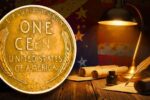
- 1943 Copper Penny: An error coin struck in copper instead of steel during World War II.
Value Trends Over Time
The value of wheat pennies has steadily increased over the decades. While common dates may only be worth a few cents above face value, rare varieties have appreciated significantly. For example, the 1909-S VDB penny that once sold for a few dollars in the mid-20th century can now fetch thousands depending on condition.
Condition and Grading
Coin grading plays a crucial role in determining value. The Sheldon Scale ranges from Poor (P-1) to Mint State (MS-70). Wheat pennies in uncirculated condition are far more valuable than those heavily worn. Collectors often look for coins with sharp details, minimal scratches, and original luster.
Table of Approximate Wheat Penny Values
Below is a simplified table showing approximate values for selected key dates in average circulated condition versus uncirculated condition:

| Year & Variety | Circulated Value | Uncirculated Value |
|---|---|---|
| 1909-S VDB | $700 – $1,500 | $2,000 – $3,500 |
| 1914-D | $150 – $300 | $2,000 – $4,000 |
| 1922 No D | $500 – $1,000 | $5,000 – $10,000 |
| 1931-S | $75 – $150 | $600 – $1,000 |
| 1943 Copper | $85,000+ | $150,000+ |
Values vary depending on market demand and coin grading.
Collecting Strategies for Wheat Pennies
Collectors often pursue different strategies when building a wheat penny collection:

- Completing a full date and mint mark set from 1909–1958.
- Focusing on rare varieties and error coins.
- Collecting high-grade examples for investment purposes.
- Searching rolls of pennies for hidden treasures.
Investment Potential of Wheat Pennies
Wheat pennies are not only historical artifacts but also investment opportunities. Rare coins have consistently appreciated in value, especially those with limited mintage. However, like any investment, coin collecting requires knowledge, patience, and careful purchasing.
Preservation and Storage
Proper storage is essential to maintain coin value. Collectors should:
- Use coin albums or holders to prevent scratches.
- Store coins in a cool, dry environment to avoid corrosion.
- Avoid cleaning coins, as this can reduce their value.
Market Demand and Popularity
The popularity of wheat pennies remains strong due to their accessibility and historical charm. Even beginners can start collecting with affordable common dates, while seasoned collectors chase rare varieties. Auctions and coin shows continue to highlight the enduring demand for these coins.
Conclusion
Wheat pennies represent more than just small copper coins; they embody American history, artistry, and the thrill of collecting. Their values have risen steadily over time, with rare varieties achieving remarkable prices. For coin collectors, understanding the nuances of rarity, condition, and market trends is essential to appreciating and investing in these timeless pieces of numismatic heritage.